If It Sounds Too Good to Be True
Choosing the right safari operator is not easy. From the outside, it can be incredibly difficult to tell who is ethical, who is doing the right thing behind the scenes, and who is simply good at marketing. One general rule of thumb I always go by is this. If it seems too good to be true, it usually is. Exclusivity in safari, unfortunately, comes with higher price tags. That is the reality of operating responsibly in wild places. There are more affordable options out there, but you have to do your homework.
Do Your Research and Ask the Right Questions
My advice is simple. Do not be lazy with your research. Ask questions. Try to get a human being on the phone. Do not just click through a website and book blindly. Speak to someone. Ask them about their guiding philosophy, their vehicle numbers, their approach to sightings, and how they manage pressure on wildlife. If they are willing to give you their time and talk openly without pushing you into one fixed itinerary, that is usually a good sign.
Travel With Me
If you are looking for a safari built around experience, ethics, and meaningful time in wild places, I would love to help.
I lead small, carefully curated journeys and every trip is shaped around quality guiding, patience, and respect for wildlife.
→ Take a look at safari destinations
→ Get in touch nick@nickkleer.com

Do Your Research and Ask the Right Questions
My advice is simple. Do not be lazy with your research. Ask questions. Try to get a human being on the phone. Do not just click through a website and book blindly. Speak to someone. Ask them about their guiding philosophy, their vehicle numbers, their approach to sightings, and how they manage pressure on wildlife. If they are willing to give you their time and talk openly without pushing you into one fixed itinerary, that is usually a good sign.
Beware of Volume Based Tourism
Be wary of operators who only offer the standard, heavily marketed circuits. The same routes, the same promises, the same moments everyone else is being sold. If you get the sense that an operator runs hundreds of vehicles into the same areas, which many large operators do during peak seasons, then the quality of guiding you receive can vary wildly. You might get an excellent guide. You might get someone who is effectively a seasonal driver with a guide title. That is just the reality of volume based tourism.
My Approach to Guiding
For me, guiding is not about rushing between sightings. It is about understanding behaviour, reading the landscape, and knowing when to give animals space.
If that resonates with you, you can learn more about how I work and what to expect on safari with me.


Look Beyond the Brochure
Look at reviews of lodges and camps. Research where they are situated. Pay attention to how busy the area is likely to be at the time you plan to travel. If you are restricted to peak season travel, ask operators what alternatives they can offer that are off the beaten path. Then take their suggestions and do a bit more digging yourself.
Trust Your Instincts and Invest Wisely
At the end of the day, your gut matters. So does a bit of effort. Educating yourself, asking questions, and seeking out human connection before you book goes a long way toward making better choices. And while there are exceptions, the unfortunate truth is that premium safari experiences usually come with premium price tags.

Consider Shoulder and Green Seasons
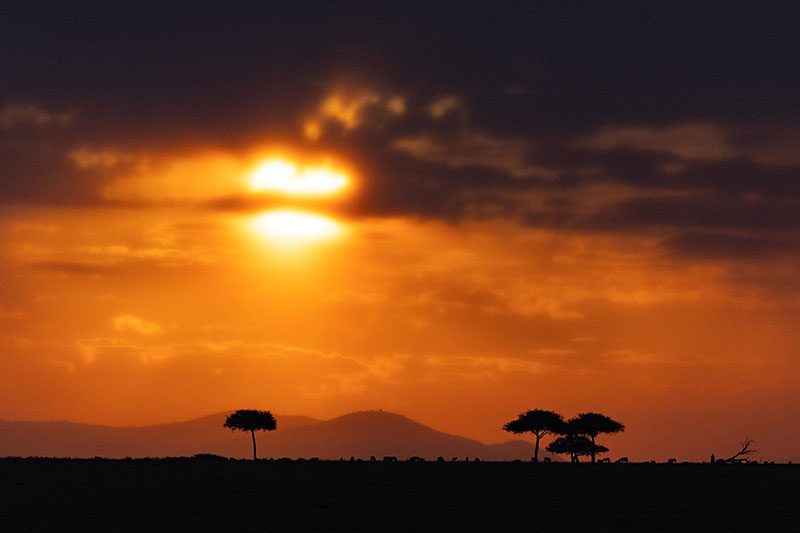
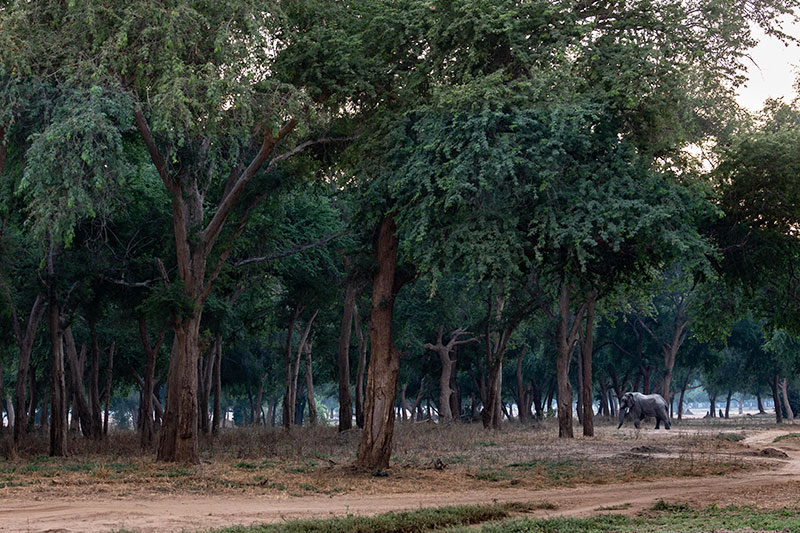
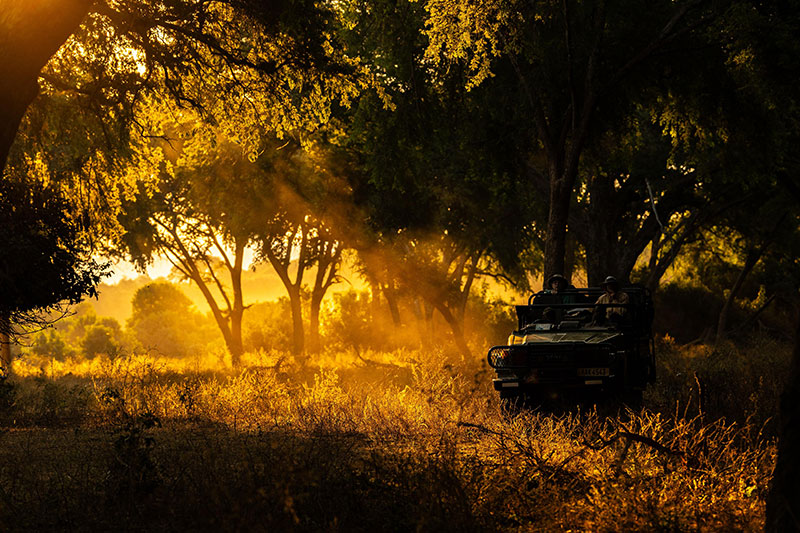
One final piece of advice is to consider travelling in shoulder or green seasons. Yes, conditions can be hotter in some places. There may be rain. But wildlife does not disappear when the high season ends. There is always something happening in the bush. The landscapes can be more dramatic, the crowds thinner, and the prices more accessible. If you are flexible with your timing, you can often have a richer, quieter experience while spending less.
Not Sure When to Travel?
If you are unsure about timing, destinations, or what kind of experience suits you best, start with a conversation.
The right safari begins long before you step into the bush.
→ Get in touch nick@nickkleer.com